
Adrift
Chapter 4
(continued from Father & Son Big Leaguers)
I learned baseball from my brother. He started playing the year we moved to Vermont, away from our father. He wasn’t very good at first. After every one of his little league games in his first year I asked him the same question:
“Did you get a hit yet?”
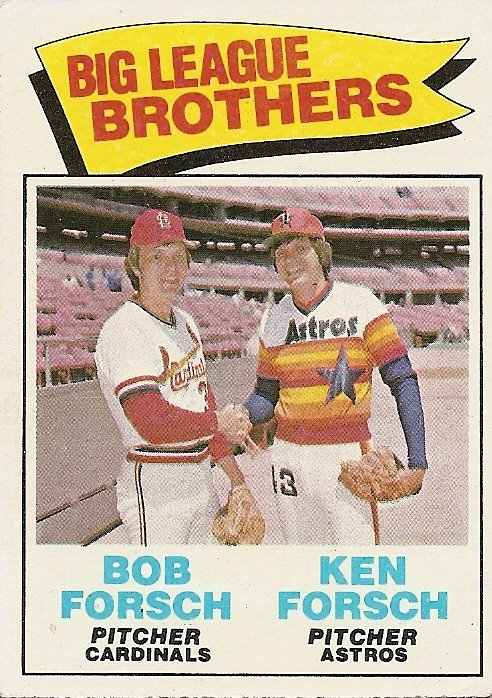
The answer, no, was eventually rendered in the form of a malevolent I-Am-Going-To-Punch-You glare. By the end of the season I’d stopped asking. But by the time I joined him on the team, the Mets, two years later, he was one of the bigger and better kids in the league. Because I’d had him to practice with for two years, I was much more prepared to play than he’d been, and got a hit in my first game–a line single off the end of the bat, up the first base line. The following year, his last in little league, he was a superstar, one of the three or four best players in the league along with the neanderthalic Stu Townsend, the mustachioed Tony Russo, and the seeming can’t-miss future major leaguer Bob Chase. I’d always idolized my brother, but that year I actually got to watch him clobber high-arcing shots over the outfield fence, got to pour out of the dugout with all my teammates to meet him at homeplate cheering. Just like I’ve never really gotten over the strange power of these baseball cards, such as this Forsch brothers entry into the 1977 Big League Brothers series, I guess I’ve never really gotten over the summer when my big brother was a conquering hero.
We played one more season together, two years later, in Babe Ruth League, but it wasn’t really the same. I was worse, relatively speaking, than I’d ever been in little league, and my brother, even though he was in his final year of Babe Ruth, had been reduced to being an emergency starter (behind the regular starters Stu Townsend and Bob Chase). He had one notable moment, nearly pitching a no-hitter, but the game was against a coed team of thin, easily distractible hippie children, and anyway he lost the no-hit bid in the last inning when one of the boys or girls stopped daydreaming long enough to loop a single into left in front of the mediocre leftfielder, me.
Somewhere around that time, maybe that year or the next, my brother and I were in a record store in a mall in Hyannis, Massachusetts. It was the day after Thanksgiving, which we’d spent at my maternal grandparents’ house in nearby East Dennis. After we’d looked around for a while, my brother started walking out of the store. He was walking fast, purposefully. I called his name but he didn’t acknowledge me. I kept saying his name, he kept walking. I was a few paces behind him but I started slowing down. It was like watching a train pull away, or like my voice had been removed. Like my brother didn’t know me. A man in a light-colored suit jacket passed me, walking briskly, and clapped my brother on the shoulder. The two of them went back into the store and disappeared behind a door in the back. I went back there. There was a small window in the door. I could see my brother sitting in a metal chair, staring down at a table. There was a rack of posters near the door on my side and I hid my face in there, pretending to look at the posters. I was crying. I wanted my brother to be the big kid in the same uniform as mine, jogging down the third base line toward home, smiling, toward the cheering team, toward me. But he was just some stranger in a jeans jacket, a copy of a cassette called “Get Happy” on the table in front of him as evidence.
(continued in Bob Stanley)


 Cardboard Gods
You must be logged in to post a comment.